
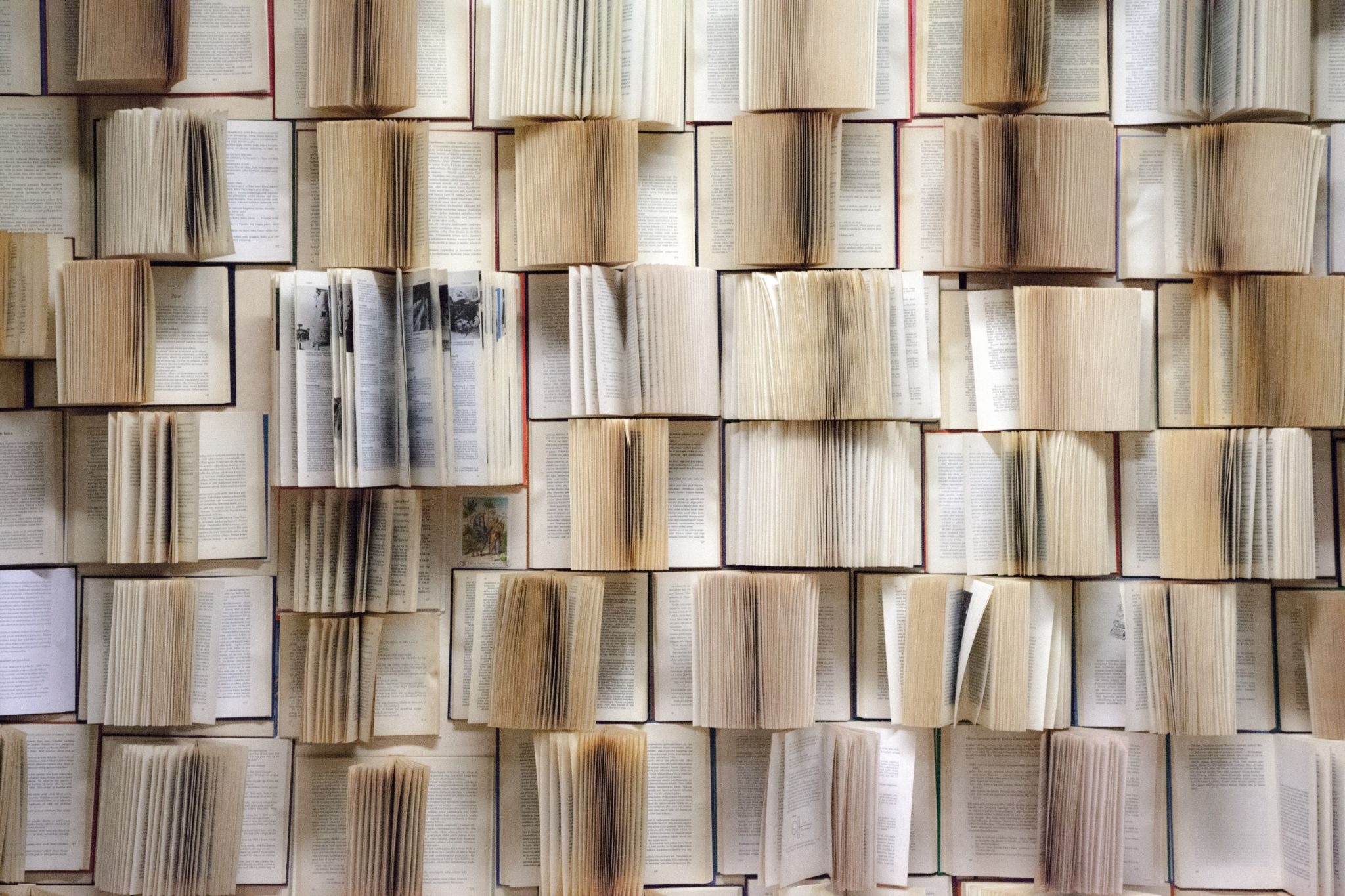
(Courtesy/Pixabay)
A book can introduce a new perspective, allow people to feel represented, or challenge a long-held belief. A massive uprising in book bannings and challenges, however, has raised a question among parents, schools, and advocacy groups: What are students actually allowed to read?
Launched in 1982, Banned Books Week, October 4-10, was founded in response to a sudden spike in book challenges. According to the American Library Association (ALA), 4,235 book titles were challenged in 2025, the third-highest in the nation. In Ohio, 40 attempts to restrict access to books and 235 titles were challenged in those attempts.
Book banning restricts and removes historically significant and culturally relevant authors, books, and concepts. At Academy, students study books that explore heavy, socially, politically, and culturally complex topics. Some of the most notable titles include Kurt Vonnegut’s Slaughterhouse-Five, To Kill a Mockingbird by Harper Lee, George Orwell’s Animal Farm, The Giver by Lois Lowry, Lord of the Flies by William Golding, The Outsiders by S.E.Hinton, The House on Mango Street by Sandra Cisneros, and Maus by Art Spiegelman. Several of these books have faced bannings in school systems, reflecting the controversies over the subjects that students encounter throughout the pages.
Challenged books usually vary based on the content inside them. Some objections focus on violence and age appropriateness, LGBTQ+, BIPOC, racism, or political viewpoints. Although books may be challenged, it doesn’t automatically mean they are banned. A challenge is a request to restrict access to a certain book, while a ban is when a book is removed.
The ALA reported 5,668 books banned from libraries in 2025. Additionally, 92% of books challenged are initiated by government officials or advocacy groups. Book bans are commonly rooted in fear that books will inspire the reader to challenge their beliefs or conventional ideas.
Book challenges and bans lead administrations and schools in Ohio communities and nationwide to question how the books their students read balance with their families’ concerns and continue to teach and allow educational content.
Mr. Compton, Upper School English and History teacher, said, “We have a privileged position. We need to read books like Salvage the Bones, which is about poverty in Mississippi, something most Academy students would be totally unaware of.” He also mentioned that it “broadens our perspective in a way that we can’t turn away from.”