

Pixabay
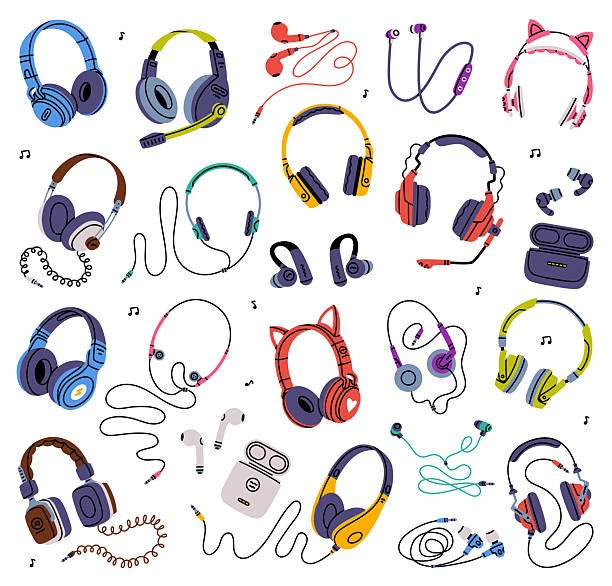
Whether they are wireless earbuds, over-ear noise-cancelling sets, or classic wired headphones, these devices have become a constant presence in many students’ daily lives, as researchers continue to question whether headphones enhance our lives or isolate us from the world.
A study cited in the National Center for Biotechnology Information found that around 80% of teenagers use headphones for one to three hours each day, which “can” be used to help focus on homework, make long car rides more enjoyable, or provide a sense of comfort in busy environments. In a world that can feel overwhelming, headphones offer a personal, stable space where we control what we hear and when we hear it.
However, this constant use raises concerns about whether earbuds can damage our hearing. The American Osteopathic Association states, “1 in 5 teens will experience some form of hearing loss— a rate about 30% higher than it was 20 years ago.” Experts believe listening at high volumes for extended periods can permanently damage the delicate structures of the ear, including the ear’s hair cells in the inner ear that are responsible for transforming vibrations into electrical signals, which allow us to hear and maintain balance.
Aside from physical harm, headphones also have social impacts. They can create an invisible barrier between people and their surroundings. It is easy to miss out on conversations and disengage, especially with the noise-cancelling feature. Over time, this could reduce opportunities for real-life interaction and awareness.
But music can improve mood and concentration, while podcasts educate. The key: moderation. Doctors recommend to not to exceed 60% of maximum volume for no longer than 60 minutes to minimize hearing damage. After all, the most important sounds are not coming through an earbud, but happening right in front of us.