
Courtesy/Ms. Conti
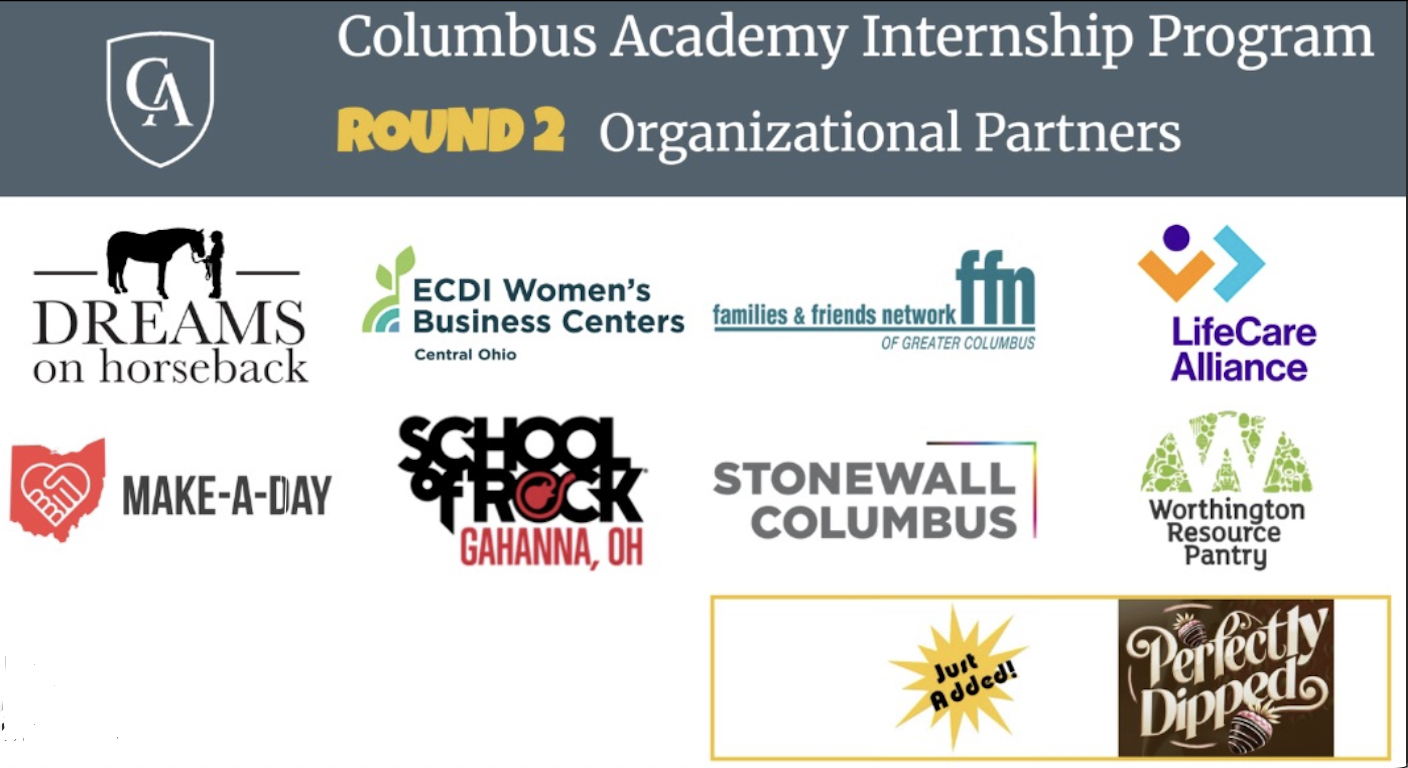
Each year in late January, Jennifer Conti hosts an internship workshop, inviting students from across the high school to begin preparing for summer opportunities. Through this program, Conti connects students with internships at nearly 20 organizations across central Ohio, offering placements in both first and second rounds.
Having participated in this program for two consecutive years, I have secured two internships for this summer. Through trial, error, and growth, I have developed seven key strategies to help others navigate this process successfully.
First. Attend the Internship Workshop and join the Internship Google Classroom. This workshop is mandatory: students who do not attend the workshop (or complete a make-up meeting with Conti) are not eligible to apply.
Held once each January after school, the session introduces the full internship application process, from crafting resumes, writing cover letters, and the entire interview process. From there, a Google Classroom is set up, offering the same resources that were shared in the meeting in a digital format. Students are also able to have Conti look over and provide feedback to their resumes, something that I have taken advantage of both years.
Second. Apply to multiple organizations. My freshman year, I only applied to a few internships in the first round, and several were ultimately canceled. Because of this, I had to rely on the second round of internship opportunities, which had significantly fewer positions available. This year, despite having to spend significantly more time writing applications, I was offered positions at seven different organizations, giving me the opportunity to choose the two that I was most interested in.
Third. Adjust your resume based on the organization. In my resume, I have a section about my skills, which I adjusted to align with the skills that the organization is looking for, showing my genuine interest in the internship position for which I am applying. Through recognizing those words, even subconsciously, interviewers looking at your resume will be more inclined to interview you. Additionally, make sure your resume is neat and clean, as that will be your first impression on them.
Fourth. Write cover letters, particularly for your top internships. Cover letters are optional; however, they are an easy way to show interest and highlight or expand upon different parts of your resume, giving the organization more information about yourself as they decide whether or not to interview you.
Cover letters are a chance to explain why you believe you are a strong fit and help you build a stronger application, as long as they are specific, clear, and personal. This year, I submitted cover letters for several positions and received interview offers from each, reinforcing to myself their value when executed successfully.
Fifth. Send specific thank you notes within 24-48 hours after the interview. Having received interviews at nine different organizations, most of which were interviewing me on the virtual interview day, I had a quick turnaround to writing these thank-you letters. However, by creating a template for myself, as well as jotting down a few notes about the interview, I could send personalized, concise messages, reiterating my interest and thanking them for their time.
Sixth. Prepare for your interviews. For each interview I had, I came up with a list of three to five questions to ask. This ensured that even if some were not answered during the conversation, I still had additional questions to remain engaged and prepared. Simply asking two or three questions of the interviewer shows that you are genuinely interested in the position and the organization.
Also, by practicing interviewing at least once or twice with a friend or parent, you can become more comfortable with the interviewing process, so that you are prepared for the interview.
Finally, show genuine interest in the organization and the position you are applying for. No matter how strong your resume or application is, if the interviewer and organization do not see genuine interest, it significantly reduces your chances of being offered a position. These organizations want people who will add value to the organization, not someone looking to build a resume or someone without strong character and interest in the position.
The internship process can feel overwhelming, but by breaking it down into these seven steps, it is more manageable. With preparation, effort, and authenticity, Academy students can set themselves apart and find opportunities that align with their interests.